
-
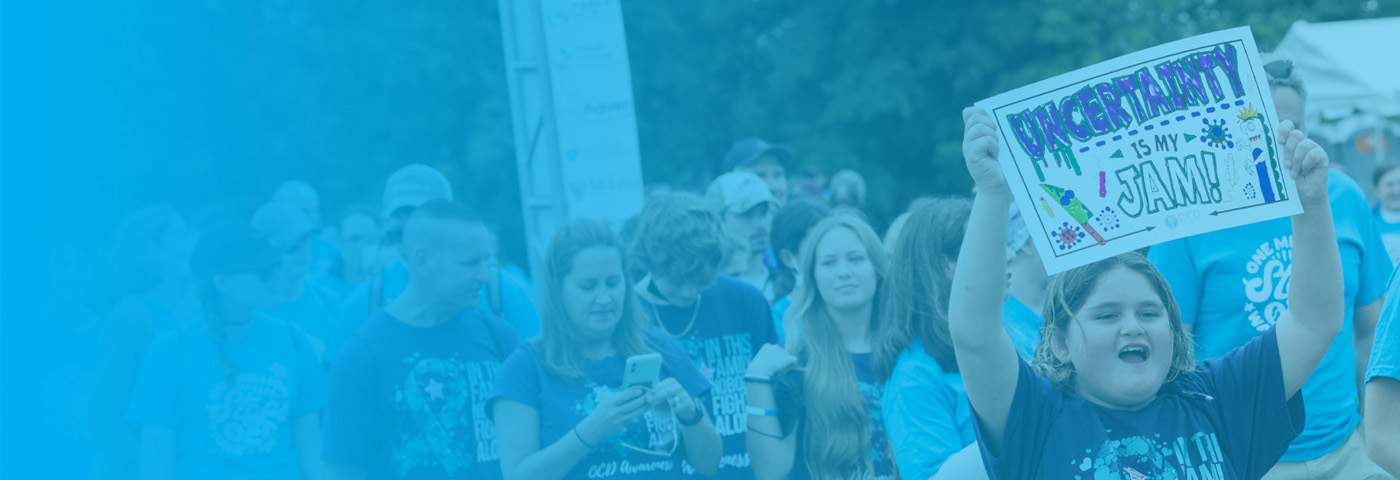
Take strides for OCD awareness
The One Million Steps for OCD Walk is back in a city near you!
Join an OCD Walk near you to find community and show support for everyone impacted by OCD.
Find an OCD Walk -

Provide help, healing, and hope to kids impacted by OCD
It’s estimated that up to 80 million children in the world suffer from OCD.
You can help make a difference in their lives by making a donation to the Pediatric Spring Appeal to help fund IOCDF programs
that promote early diagnosis, access to care, and community.
Donate Today -

Attend the 29th Annual OCD Conference in Orlando
July 26-28, 2024
Registration is open for the Annual OCD Conference with both in-person and virtual options available!
Learn More & Register
Find Help
Search the Resource Directory for therapists, clinics, support groups, and other organizations specializing in OCD and related disorders in your area.
Learn More About OCD
OCD and related disorders affect more than 1 in 100 people around the world — but there is hope. Learn about treatment, research, and other resources that can help.
Help send someone in need to the Annual OCD Conference in Orlando, FL
For many, the in-person Annual OCD Conference provides the first point of connection with others who are struggling on their road to recovery, which often serves as a powerful turning point in symptom reduction. Make a difference in the life of a person impacted by OCD or a related disorder today with a donation to the Conference Scholarship Fund!
Donate to the Conference Scholarship FundAttention clinicians: Join us for an advanced training on OCD treament this Fall
The Advanced Forum is back taking place October 25-27, 2024! This event aims to enhance the clinical skills of mental health professionals who have attended a Behavior Therapy Training Institute (BTTI) or a similar level of training. The training explores treatment adaptations based on client factors and intersectional identities (race, culture, ethnicity, gender identity, sexual orientation, disability status, neurodiversity, comorbidities, religion, perinatal factors, etc.).
Learn More Register
Your gift has the power to change the life of someone living with OCD.
Your gift will help the IOCDF to make effective treatment more accessible, help raise awareness about OCD, and help to train clinicians and therapists how to best treat OCD and related disorders.
Let's work together to improve the lives of everyone affected by OCD.
Donate Ways to Give